
The Ethics of Protection
A Court of Thorns and RosesThis flow examines when protection becomes care and when it becomes control.
increasing Bearing strength in each event
 decreasing
Bearing strength in each eventdecreasingProtection by Force
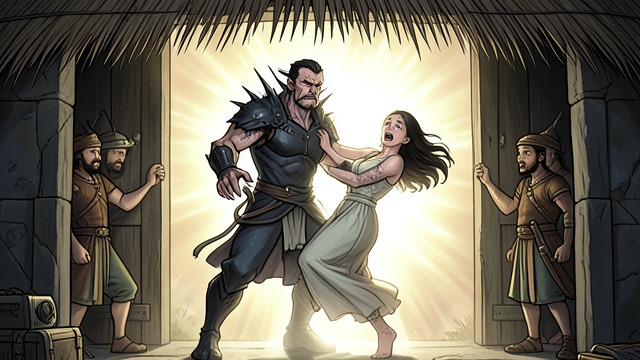
Protection by Force
Coercive Rescue
Tamlin removes Feyre from the Mortal Realm to satisfy The Treaty. He prevents immediate violence but determines her future without meaningful consent.
Necessary and Wrong
Feyre's family is safer, yet she is treated as the price of a political debt. The story refuses to make the act simply benevolent.
Protection begins as an action that saves bodies while violating autonomy.
Protection Through Glamour
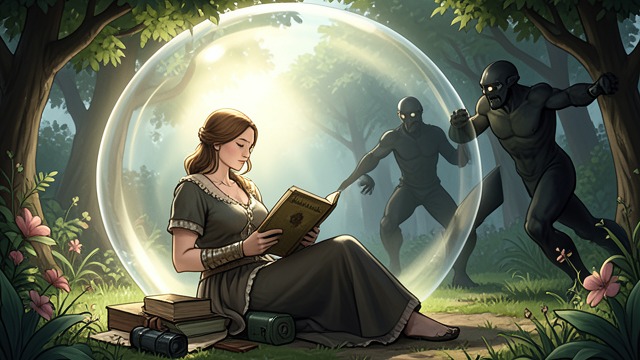
Protection Through Glamour
Concealment
Tamlin hides Feyre from creatures and alters her family's memories. His magic prevents enemies from locating the people he values.
Loss of Choice
Feyre is kept uninformed about the true danger. The same power that protects her also prevents her from making decisions with complete knowledge.
The pattern shows why good intentions cannot settle the ethics of control. A protected person may still be treated as an object.
Protection Through Sacrifice
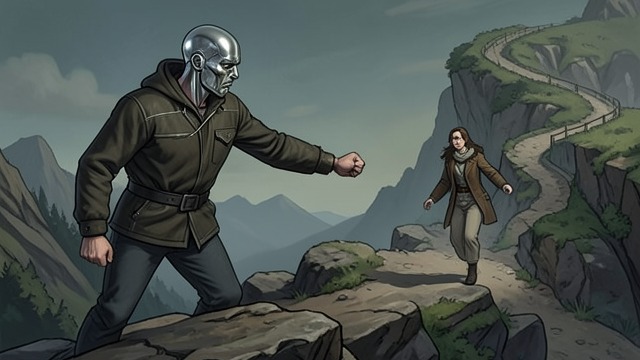
Protection Through Sacrifice
Separation
Tamlin sends Feyre away because Rhysand's visit proves that Amarantha can reach her. He chooses her safety over the possibility of keeping the person he loves.
Misunderstood Love
Feyre experiences the decision as rejection and returns to the Mortal Realm without knowing the full reason. Tamlin accepts being hated if it keeps her alive.
Protection here becomes self-denial, but it still deprives Feyre of agency. The conflict between care and control remains unresolved until she chooses to return.
Protection as Resistance
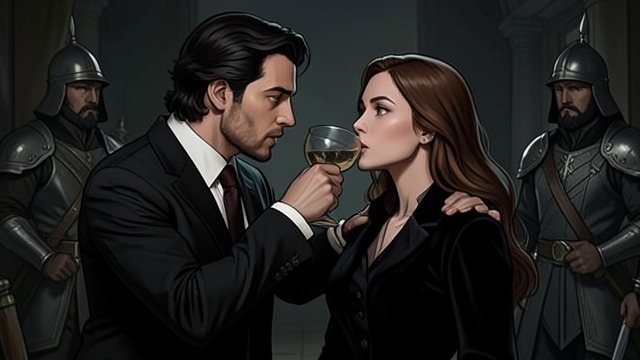
Protection as Resistance
Rhysand's Bargain
Rhysand heals Feyre, orders guards not to harm her, and helps her survive the trials. His methods are humiliating, but each act limits Amarantha's ability to destroy her.
Hidden Cost
He also marks Feyre, compels her to drink, and claims time in the Night Court. Assistance remains inseparable from possession.
The narrative complicates rescue by giving it mixed motives. Protection can preserve a person's future while still demanding a price.
Protection Through Choice
Protection Through Choice
Feyre Acts
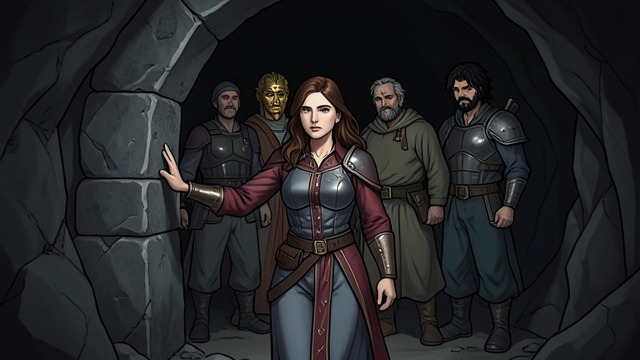
Feyre chooses to return to Prythian, enter Under the Mountain, and accept the trials. No one can honestly say the decision was made for her.
Shared Risk
Tamlin, Rhysand, Lucien, and the High Lords support her in different ways, but Feyre remains the person who must act.
Protection becomes ethical only when it leaves room for agency. The story ends with danger still present but with Feyre choosing the terms of her participation.
the night Tamlin takes Feyre
the months at Tamlin's Estate
the night Tamlin sends Feyre home
during Feyre's captivity under Amarantha
the final confrontation
